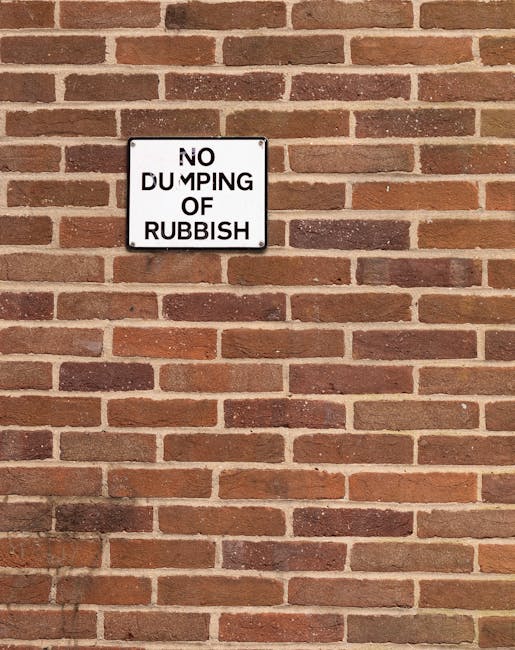
Permits and fines for fly tipping and rubbish dumping in Kensington
Posted on 17/08/2026
If you are dealing with unwanted waste in Kensington, the line between a legal clearance and a costly mistake can feel surprisingly thin. One missed permit, one badly placed bag, one van load left by the wrong person, and suddenly you are looking at penalties, complaints, or a very awkward conversation with the council. This guide explains permits and fines for fly tipping and rubbish dumping in Kensington in plain English, so you can avoid trouble and dispose of waste properly without the stress.
We will look at what counts as fly tipping, when permits may be needed, how fines tend to work, and what sensible residents, landlords, builders, and business owners usually do instead. If you are planning a clearance, a renovation, or even a simple bulky item removal, this is the sort of information that saves time, money, and a fair bit of hassle.
For practical disposal support, you may also find our guide to Kensington council rules for skip alternatives and rubbish disposal useful, especially if you are comparing different ways to get rid of waste lawfully.
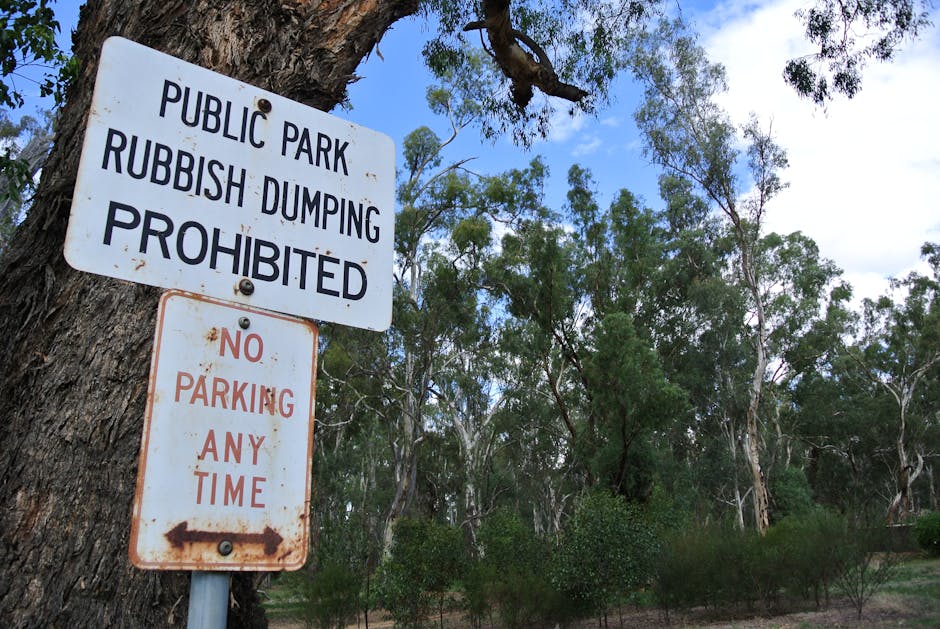
Why Permits and fines for fly tipping and rubbish dumping in Kensington Matters
Kensington is not a place where waste complaints disappear quietly. Streets are busy, pavements are narrow, access is often tight, and rubbish left in the wrong spot stands out immediately. That means enforcement can be fast, and disputes about responsibility can get messy quickly. Truth be told, most fly-tipping cases do not begin with a grand criminal plan. They often start with a rushed decision: leaving a sofa near the kerb too early, handing waste to an unlicensed collector, or assuming a bag can be left "just for the morning".
Fly tipping is the illegal disposal of waste on land that does not have the right permission for it. That can include a single bin bag, building rubble, old furniture, soil, white goods, or a full van load. Rubbish dumping is a broader everyday phrase people use for the same basic problem: waste left where it should not be.
Why does this matter so much in Kensington? Because the consequences are not only financial. There can be investigations, collection costs, nuisance to neighbours, and in some cases reputational damage if the waste is linked to a landlord, tenant, builder, or local business. If you manage a property, that can become a very real issue. Our property investment guide for Kensington also touches on why compliance and presentation matter so much in this area.
A practical point often missed: if waste is deposited outside the right collection window, it can still be treated as illegal dumping even if you had good intentions. The curb looks tidy for a few hours, then the wind, rain, or foxes do the rest. That is usually when the problem starts.
Expert summary: In Kensington, the safest approach is simple: keep waste on your own property until collection, use a licensed carrier, and check whether a permit or placement approval is needed before anything goes on public land.
How Permits and fines for fly tipping and rubbish dumping in Kensington Works
The process usually comes down to three questions: where is the waste, who left it there, and did that person have permission? If the waste is on private land, the landowner or occupier normally has control over what happens next. If it is on the highway, pavement, verge, or any communal area, things become much more sensitive.
When a permit may be needed
You may need permission if you plan to place a skip, store waste bags in a communal spot, or position any container on public land. In many cases, the issue is not the waste itself but the location. A skip on private land is one thing. A skip on the road is another. If you are considering skip alternatives or a collection point outside your property, it is worth checking the rules early rather than assuming it will be fine.
If you are doing building work, the clearance logistics matter too. Our article on avoiding rubbish clearance delays after renovations in W8 is helpful for planning ahead, because renovation waste has a habit of piling up faster than expected.
How fines are usually handled
Penalty levels can vary depending on the exact offence, the authority involved, and whether the matter is dealt with as a civil penalty or a criminal issue. It is best not to rely on fixed numbers from memory or hearsay; the details can change and the circumstances matter. What does stay consistent is the principle: if your waste is found dumped illegally, you may be required to pay a fine, and in more serious situations there may be further action.
Fines may be issued to the person caught dumping, but responsibility can also extend to the person who allowed it, commissioned it, or failed to check who they hired. That is why using a proper waste carrier is so important. If a trader offers a suspiciously low price and promises to "deal with it all" without paperwork, alarm bells should ring. To be fair, a lot of people only think about this after the fact. By then, it is already an expensive lesson.
What enforcement often looks like
- Witness reports from residents or passers-by
- Evidence from waste left on streets, alleyways, or communal bins
- Vehicle details or company records linked to the dump
- Follow-up questions to the property owner, tenant, landlord, or contractor
- Requests for proof of lawful disposal or transfer documentation
If you are a landlord or building manager, keeping records is not overkill. It is sensible. A quick file with contractor details, collection dates, and receipts can make a huge difference if questions arise later.
Key Benefits and Practical Advantages
Staying on the right side of permit and dumping rules is not just about avoiding a fine. There are some very real day-to-day benefits.
- Less risk of penalties: Obvious, but worth saying. The cheapest waste job is the one you do properly the first time.
- Fewer neighbour complaints: In a dense area like Kensington, a stray mattress or builder's bag can annoy half the street before lunchtime.
- Cleaner project timelines: Renovations, office moves, and house clearances run more smoothly when waste is planned properly.
- Better reputation: Particularly important for landlords, agents, builders, and local businesses.
- Lower chance of re-clearance costs: If waste is rejected, collected incorrectly, or moved twice, costs stack up quickly.
There is also a sustainability angle. Proper disposal makes recycling easier and reduces the chances that reusable items end up in landfill. If you are trying to make better choices with waste, our recycling and sustainability page is a useful companion read.
And let's not ignore the practical side. A tidy frontage simply looks better. In Kensington, where property standards are high and people notice everything, that matters more than many assume.
Who This Is For and When It Makes Sense
This topic is relevant to a surprisingly wide group of people. You might think fly tipping rules only matter to people dumping things at night, but the reality is broader.
Residents
If you are clearing out a flat, replacing furniture, or getting rid of garden waste, you need to know how to dispose of it properly. Residents often make mistakes when they are in a rush, especially after weekends, house moves, or last-minute decorating.
Landlords and letting agents
Tenancy changeovers create a lot of waste. Old mattresses, broken blinds, small appliances, and general clutter can accumulate fast. If you do not manage it properly, you may end up with complaints or unexpected costs. A calm, documented process is worth its weight in gold, honestly.
Builders and trades
Construction and refurbishment jobs create debris, plasterboard, timber offcuts, packaging, and mixed waste. If these are not managed correctly, you can end up with roadside clutter, blocked access, or allegations of dumping. For refurbishment work, the repurposing old building supplies into new uses article may help with thinking more carefully about what can be reused before disposal.
Businesses and offices
Office clearances, stock changes, and fit-outs can create bulky waste and confidential disposal concerns. Commercial sites often need tighter scheduling because entrances, deliveries, and pedestrian traffic make poor waste placement more noticeable. If that sounds familiar, our guide to access problems for waste removal on Earls Court roads shows how local access constraints can complicate things fast.
Anyone using a third-party collector
If you pay someone else to remove waste, you still need to be careful. The wrong collector can leave you exposed. That is why checking a waste carrier's compliance matters. Our waste carrier licence and compliance information is a sensible place to start before booking.
Step-by-Step Guidance
If you want to avoid fines and keep things clean, follow a simple process. It is not glamorous, but it works.
- Identify the waste type. Separate household rubbish, bulky items, builders' waste, garden waste, electrical items, and anything hazardous. Mixed loads are where people get caught out.
- Decide where the waste will sit before collection. Keep it on private property wherever possible. Do not assume the pavement, shared courtyard, or kerbside is acceptable.
- Check whether a permit or placement approval is needed. This matters most for skips, road placement, and anything affecting public space.
- Use a legitimate, licensed carrier. Ask for basic details and keep a record. A proper operator should be able to explain how they handle waste lawfully.
- Book the right collection method. For some jobs, a licensed man-and-van collection is better than a skip. For others, especially bulky household or office waste, a scheduled collection makes more sense.
- Keep proof. Save booking records, receipts, and any transfer paperwork. That can protect you if the waste is traced back later.
- Check the site after collection. A quick walk-round can catch missed fragments, packaging, or spillages before they become a problem.
If you are planning a larger item removal, our bulky waste pickup timing in Kensington article can help you schedule around real-life collection windows rather than wishful thinking.
Expert Tips for Better Results
After years of seeing how waste jobs go wrong, a few patterns stand out. Nothing fancy. Just the stuff people forget when they are busy.
- Do not leave waste outside "just for a bit". Even a short delay can create complaints or invite others to add rubbish to your pile.
- Bundle paperwork with the booking. If you are a landlord or contractor, create one folder for receipts, photos, and collection details.
- Take photos before and after. This is especially helpful for shared entrances, mews properties, and renovation sites.
- Be cautious with cheap one-off offers. A rock-bottom quote can hide the cost of poor disposal or illegal dumping.
- Plan for access. In Kensington, access can be the difference between a smooth collection and a half-day of frustration.
- Separate hazardous items early. Paint, solvents, certain batteries, and other risky materials should not be left to chance.
One small but useful habit: ask yourself, "If someone else saw this waste where it is now, would they think it looked obviously compliant?" It is a simple test, but oddly effective.

Common Mistakes to Avoid
Most problems in this area come from familiar, avoidable mistakes. None of them are glamorous. All of them can become costly.
1. Assuming a council permit is optional
If you are placing a skip or using public land, do not guess. A "probably fine" approach is not a strategy. It is a gamble.
2. Hiring someone without checking legitimacy
If the carrier cannot give you clear business details or explain where the waste goes, walk away. Fast.
3. Leaving bags beside full bins
That creates the appearance of dumping even if you intended collection. It also encourages mess, especially overnight.
4. Mixing hazardous waste with general rubbish
Do not do this. It can make the load unsafe and more expensive to handle.
5. Forgetting about communal areas
In flats and managed buildings, waste left in shared hallways, gardens, or bin stores can still create liability and complaint issues.
6. Not planning for timing
Some collections happen the same day, others do not. If you are moving out or finishing a renovation, leave some breathing room. Rushing is where people make odd decisions.
Tools, Resources and Recommendations
You do not need complicated tools to stay compliant. You need a reliable process and a bit of organisation. That is the honest answer.
- A simple waste inventory: Write down what is being removed, especially for larger clearances.
- Photos on your phone: Before-and-after shots are surprisingly useful.
- Booking confirmations: Keep them together with collection dates and addresses.
- Access notes: For narrow streets, basement properties, or restricted entrances, write down the practical details in advance.
- Recycling guidance: If items can be reused or separated, that should happen before collection wherever possible.
If you want a broader overview of available services, the services overview page is a practical place to compare what suits your situation. You may also find pricing and quotes helpful if you are weighing one-off removal against a more tailored collection.
For household items specifically, these pages can be useful depending on what you are clearing:
- rubbish collection in Kensington
- waste removal in Kensington
- house clearance in Kensington
- furniture disposal in Kensington
- builders' waste disposal in Kensington
Law, Compliance, Standards, or Best Practice
This is one of those topics where plain-English best practice lines up nicely with legal common sense. In the UK, waste must be handled responsibly, and illegal dumping can be enforced as a civil or criminal matter depending on the circumstances. Exact penalties vary, and local authorities may use different enforcement routes. So rather than memorising a single fine amount, focus on the standard that matters: prove lawful disposal.
That usually means:
- using an authorised waste carrier
- keeping documentation for collections
- avoiding waste left on public land without permission
- separating hazardous items
- checking whether a permit is needed before placing containers on roads or pavements
For businesses and landlords, this is more than housekeeping. It is part of responsible management. If your contractor leaves waste improperly, you may still be asked how you chose them and what checks you made. That can be uncomfortable, especially if the matter affects tenants or customers.
Best practice is simple enough to remember: if it goes out, it should go out properly. Not on a wing and a prayer. Not left to chance. Proper documentation, proper timing, proper carrier.
Options, Methods, or Comparison Table
Different waste situations call for different solutions. The right choice depends on access, volume, speed, and whether you are dealing with general waste or something more awkward.
| Method | Best for | Permit risk | Typical downside | Practical note |
|---|---|---|---|---|
| Skip on private land | Renovations, larger clearances | Lower, if fully on private property | Space required | Good if you have a driveway or yard |
| Skip on road | Sites with no off-street space | Higher, usually needs permission | Traffic, access, and permit planning | Check timing carefully |
| Licensed man-and-van collection | Bulky items, mixed household waste | Low if waste never enters public land improperly | May need more than one trip | Often the simplest for flats and mews homes |
| Scheduled bulky waste pickup | Single large items or standard domestic waste | Low if booked correctly | Less flexible timing | Good for predictable household clearances |
| DIY disposal | Small quantities, straightforward trips | Low, but depends on transport and site rules | Time, fuel, handling effort | Works best for small, manageable loads |
For many Kensington properties, the middle option wins: a licensed collection that handles bulky items without the headache of a skip permit. It is not always the cheapest on paper, but once you factor in time, access, and risk, it can be the better value.
Case Study or Real-World Example
Imagine a small flat renovation near a busy Kensington street. The owners have a few old cabinets, broken packaging, plasterboard offcuts, and an old appliance to remove. The temptation is to stack everything outside the building for "just one evening" while waiting for the main clearance.
That is where trouble often starts. A neighbour sees the pile, assumes it is abandoned, and reports it. A fox tears open a bag. Rain spreads dust. By the time the collection arrives, the site already looks untidy and the building manager is annoyed. Nothing dramatic, just a steady chain of small mistakes.
Now compare that with a cleaner approach. The waste is sorted into streams before collection, access is checked in advance, the carrier is booked, and nothing is placed on the pavement. The old appliance is removed safely, the timber and rubble are collected together, and the site stays presentable. Same job, very different outcome.
We see this kind of difference all the time with same-day rubbish removal in South Kensington SW7 too: when access, timing, and waste type are planned properly, the process becomes far less stressful.
A tiny, slightly unglamorous truth: most waste issues are solved by thinking one step ahead. Which, admittedly, is not thrilling. But it works.
Practical Checklist
Use this before you place, book, or hand over any waste in Kensington:
- Have I identified exactly what needs removing?
- Does any of it count as hazardous or awkward waste?
- Will the waste stay on private land until collection?
- Do I need a permit or placement approval for any public space?
- Have I checked that the carrier is legitimate and appropriate for the job?
- Do I have booking records, photos, and receipts saved?
- Have I planned for access, parking, and timing?
- Is anything reusable, repairable, or recyclable before disposal?
- Have neighbours, tenants, or building staff been informed if needed?
- Have I confirmed what happens if the collection is delayed?
If you can tick all ten, you are in much better shape than most people who are trying to manage waste in a hurry.
Conclusion
Permits and fines for fly tipping and rubbish dumping in Kensington are not just a legal detail. They shape how safely, cleanly, and confidently you can deal with waste in a busy part of London. The key is to keep waste out of public space unless you have permission, use reputable collection methods, and keep proof of what you did.
That might sound a bit formal, but in practice it is simple: sort the waste, book properly, and leave no grey areas behind you. Whether you are a resident clearing a flat, a landlord between tenancies, or a contractor trying to keep a project moving, the same rule applies. Plan well, and the whole thing becomes easier.
And if all of this feels like one more thing on a very long to-do list, that is fair enough. Waste compliance is not exciting. But getting it right gives you peace of mind, and that is worth quite a lot.
Get a free quote today and see how much you can save.