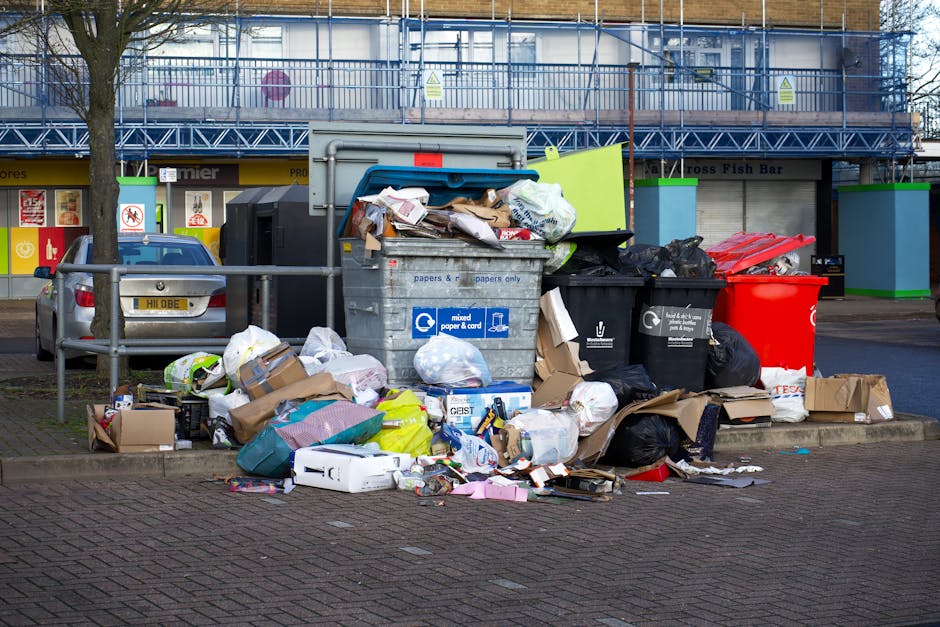
Waste removal for Holland Park residents W8
Posted on 07/05/2026
Waste removal for Holland Park residents W8: a practical local guide
If you live in Holland Park, you already know the area has its own pace: elegant streets, tight access points, busy parking, and homes that can fill up quickly with the kind of clutter that sneaks in slowly. Waste removal for Holland Park residents W8 is not just about getting rid of rubbish. It is about keeping your home, flat, mews property, or business space clear, safe, and manageable without turning your day into a logistics puzzle.
Whether you are clearing a tired sofa, a heap of builders' offcuts, garden cuttings after a weekend tidy-up, or the last boxes from a loft that has become a storage graveyard, the right approach makes a real difference. This guide explains how local waste removal works, what to expect, how to choose the right service, and how to avoid the usual headaches. And yes, there are a few small things most people forget until they are standing in the hallway wondering where the old mattress is meant to go.

Why Waste removal for Holland Park residents W8 Matters
In Holland Park, space is valuable. That alone changes the way waste should be handled. A pile of broken furniture in a narrow hallway or several sacks of renovation debris on a pavement can quickly become a nuisance, and not just to you. Neighbours notice. Access becomes awkward. A delivery slot gets missed. The whole thing snowballs.
Local waste removal matters because it helps you keep control of your property without waiting around for a slow, uncertain workaround. It is especially useful in W8 where homes may have limited storage, shared entrances, controlled parking, or strict building rules. A good service should reduce effort, not add to it. Simple as that.
There is also the waste hierarchy to think about: reduce, reuse, recycle, dispose. That order matters. A well-run collection service will sort items properly, separate recyclable material where possible, and avoid sending everything to landfill just because it is easier. If sustainability matters to you, that is a very real part of the decision. You may want to read more about recycling and sustainability practices as well as how a provider handles mixed waste.
Expert summary: For Holland Park households and businesses, the best waste removal solution is the one that fits the building, the volume, the access, and the type of waste - not just the cheapest or fastest option on paper.
How Waste removal for Holland Park residents W8 Works
Most local waste removal follows a fairly straightforward pattern, though the details matter more than people expect. First, you identify what needs to go. Then you choose the right service type, get a quote, arrange a collection slot, and make sure the waste is ready for loading. If the provider is organised, the job should feel calm and efficient rather than chaotic.
In practical terms, the process often looks like this:
- You describe the waste. This may be furniture, appliances, garden waste, builder's rubble, office contents, or mixed household rubbish.
- The provider assesses access. Stairs, lifts, parking restrictions, loading distance, and permit needs can all affect timing and cost.
- You receive a quote. This may be based on volume, waste type, labour involved, and disposal costs.
- The collection is scheduled. For busy areas, punctuality and good communication matter a lot.
- The waste is removed and sorted. Reusable items may be separated; recyclable materials should be handled responsibly.
For many residents, the simplest option is a general waste removal service in Kensington, but some jobs need a more specific approach. An old wardrobe, for example, might be best handled through furniture removal, while a fridge or washing machine may need specialist appliance disposal.
To be fair, the best providers do not make you decipher everything yourself. They ask the right questions up front. That saves everyone time later, which in London is almost a love language.
Key Benefits and Practical Advantages
The obvious benefit is that rubbish disappears. But the real value is in what happens around that. A good waste removal service gives you back usable space, reduces stress, and helps you move on from jobs that would otherwise linger for weeks.
- Faster clear spaces: Ideal when you need a room emptied before decorators, tenants, buyers, or tradespeople arrive.
- Less lifting and carrying: Heavy items like wardrobes, white goods, and broken desks are awkward and risky to shift alone.
- Better disposal outcomes: Reuse and recycling are more likely when waste is handled by an organised team.
- Lower disruption: Especially important in flats, mansion blocks, and properties with shared access.
- More predictable timing: Useful when you are juggling work, school runs, or contractor visits.
There is also a cleanliness factor that gets overlooked. A cluttered space tends to gather dust, smell stale, and make a room feel smaller than it is. Once the waste goes, the place often feels different immediately. Brighter. Easier to breathe in. A bit of a reset, really.
If you are considering a bigger clear-out, browsing the broader services overview can help you compare domestic, commercial, and specialist options before you book.
Who This Is For and When It Makes Sense
Waste removal in Holland Park is useful for a wide range of people, not just those doing major renovations. In fact, many collections are for everyday situations that simply got out of hand.
This service makes sense if you are:
- A homeowner clearing out old furniture, broken items, or attic clutter.
- A tenant preparing to move out and needing to leave the property tidy.
- A landlord or letting agent handling an end-of-tenancy clearance.
- A homeowner renovating and producing builders' waste, packaging, or stripped-out materials.
- A local business disposing of office furniture, archived materials, or redundant equipment.
- A gardener or keen DIYer dealing with cuttings, soil, or leftover materials after a project.
It also makes sense when the job is emotionally harder than it first looks. Clearing a late family member's home, for instance, can be draining and slow. A professional clearance can remove one of the more difficult practical burdens, leaving you with a little more headspace. If that is your situation, a house clearance service may be more suitable than piecemeal collections.
And then there are the jobs that are oddly small but oddly urgent: a bulky armchair that will not fit through the door, a busted freezer in a kitchen corner, a loft full of boxes you meant to sort last summer. Those are the ones that quietly nag at you.
Step-by-Step Guidance
If you want the smoothest possible experience, a little preparation goes a long way. Here is a practical sequence that works well for most Holland Park collections.
1. Sort the items into clear groups
Separate furniture, appliances, garden waste, general rubbish, and anything that might need specialist handling. If you have a few items that could be reused or donated, put those aside first. It is easier to decide before collection day than in the doorway with a van waiting.
2. Check for restricted or hazardous items
Some materials cannot go in a standard load, or need special handling. Examples can include paints, solvents, chemicals, certain batteries, asbestos, and some electrical items. If you are unsure, ask before the booking. Better to clarify early than cause a delay on the day.
3. Measure access carefully
In W8, access can be the tricky bit. Measure stair widths, note lift availability, and think about where a vehicle can stop safely. A collection from the third floor with no lift is not impossible, but it should be priced and planned honestly.
4. Ask for a clear quote
Make sure you know what is included: labour, loading, disposal, VAT if applicable, and any extra charge for awkward access or heavier waste. A transparent provider should be happy to explain the pricing structure. If you want to compare before booking, the pricing and quotes page is a sensible starting point.
5. Prepare the waste in advance
Put items in one place if possible, ideally somewhere easy to reach. If they are in a basement, attic, or back garden, let the provider know. A tidy staging area saves time and keeps the collection calmer. Less running around, fewer surprises.
6. Confirm recycling or disposal expectations
Ask where the waste is likely to go and how materials are sorted. If sustainability matters to you, this is not a minor detail. It helps you choose a provider whose practices match your values.
7. Keep the paperwork or confirmation
For peace of mind, keep your booking details and any note of what was collected. If you are a landlord, agent, or business customer, that record can be handy later.
Expert Tips for Better Results
A few small decisions can make waste removal far easier. These are the sorts of things people learn after one or two awkward jobs, so you might as well get them upfront.
- Group similar materials together. Mixed loads are fine in many cases, but separating obvious categories can speed things up.
- Take photos before booking. It helps with quoting and avoids misunderstandings about size or volume.
- Be realistic about access. If a van cannot park directly outside, mention it. The same goes for stairs, basement steps, or shared courtyards.
- Book slightly earlier than you think you need to. Especially if you are coordinating trades, cleaners, or an end-of-tenancy handover.
- Keep anything you want to keep well away from the pile. Mixed clear-outs can get messy very quickly. A label or two never hurts.
One useful habit: if you are disposing of furniture, ask whether any parts can be separated for reuse or recycling. A simple table leg, shelf board, or metal frame can sometimes be diverted from the general waste stream. The blog on repurposing old building supplies into new uses is a nice reminder that not everything has to be treated as final waste.
And if you are clearing a property in stages, start with the easiest wins. Small wins help. They really do.

Common Mistakes to Avoid
Waste removal sounds simple until the last ten minutes, and then the problems appear. Most are avoidable.
- Assuming everything is standard waste. Appliances, paint, rubble, and electrical items may need different handling.
- Underestimating volume. A few bulky items can take far more space than expected once they are loaded.
- Forgetting access details. Parking, stairs, and lift restrictions can change the whole job.
- Leaving the booking too late. This is common before move-out dates and refurbishment deadlines.
- Choosing a provider without checking compliance. If waste is handled badly, the responsibility can come back to you.
- Mixing reusable items with rubbish. Once they are in the same pile, sorting becomes harder.
A particularly common oversight in Holland Park is assuming a collection vehicle can simply stop outside a property. Sometimes it can. Sometimes it absolutely cannot. A quick check on parking and access saves a lot of muttering later.
Another one: people forget to ask whether dismantling is included. If a wardrobe has to be broken down before removal, that can affect time and cost. Worth checking.
Tools, Resources and Recommendations
You do not need specialist equipment for most waste removal jobs, but a few tools and resources make life easier.
| Tool or resource | Why it helps | Best for |
|---|---|---|
| Measuring tape | Checks item size, doorways, and stair access | Furniture and appliance removal |
| Phone camera | Useful for photos when requesting a quote | Mixed loads and bulky clear-outs |
| Strong sacks or boxes | Keeps loose waste contained and easier to carry | General rubbish and loft clear-outs |
| Marker pen and labels | Separates items you want to keep from items going out | House clearances and moves |
| Booking confirmation | Clarifies date, scope, and service expectations | Any collection |
If you are clearing a room full of bulky pieces, the dedicated furniture disposal page can help you judge whether your items need a simple collection or a more structured removal service. For offices, the needs are different again, and office clearance is often the better fit.
For businesses in particular, it is worth reviewing the broader commercial waste removal options because office clear-outs often involve paper, desks, chairs, electronics, and mixed storage contents. Not exactly glamorous. But it has to be done.
Law, Compliance, Standards and Best Practice
Waste removal is not just a practical service; it also has a compliance side. In the UK, anyone handling waste should do so responsibly, and customers should feel comfortable asking how a provider operates. If a company is vague about disposal, recycling, or carrier credentials, that is worth noticing.
A sensible provider should be able to explain:
- whether they are registered or licensed as a waste carrier where applicable
- how they sort and transfer waste
- what happens to recyclables
- how they handle restricted or hazardous items
- what insurance or safety measures are in place
It is also good practice to keep your own records if you are a landlord, managing agent, or business owner. That includes booking details and a clear description of the waste removed. It does not need to be complicated. Just enough to show the job was handled properly.
You can read more about waste carrier licence and compliance if you want a better sense of what responsible handling looks like, and the insurance and safety guidance is useful too, especially for heavier or awkward jobs.
Best practice is fairly straightforward: be honest about the waste type, do not mix in prohibited items, and choose a provider that gives clear answers. Nothing fancy. Just solid, proper handling.
Options, Methods and Comparison Table
People in Holland Park usually have three main ways to handle unwanted waste: a man-and-van style collection, a more structured clearance service, or a DIY trip to a disposal site. Each has its place. The right one depends on the job, the access, and how much time you want to spend on it.
| Method | Best for | Advantages | Trade-offs |
|---|---|---|---|
| Local waste collection | General household rubbish and mixed small loads | Convenient, quick, straightforward | May not suit large or specialist items |
| Furniture or appliance removal | Bulky single items or a few large pieces | Efficient for heavy, awkward items | May need accurate item descriptions |
| Full clearance service | House, loft, office, or property clear-outs | Handles more volume and complexity | Needs more planning and often more time |
| DIY disposal | Very small amounts if you have transport and time | Direct control over the process | Labour, parking, time, and handling burden |
For seasonal or outdoor jobs, a dedicated garden waste removal service is often the cleanest option. Branches, soil, and hedge cuttings tend to behave badly in ordinary bins - they are spiky, messy, and somehow always heavier than expected.
If your project is tied to a refurbishment, the specialised builders' waste disposal option is usually the better match. Mixed rubble, timber, plasterboard, packaging, and offcuts all need a slightly different approach than ordinary household rubbish.
Case Study or Real-World Example
Imagine a Holland Park flat being prepared for redecorating. The hallway has an old sideboard, a broken office chair, several bags of decluttered items, and a stack of DIY debris from removing shelving. Nothing dramatic on its own, but together it creates a bottleneck right where people need to move.
The resident photographs the items, checks access from the street to the front door, and books a collection that can handle mixed waste. On the day, the team arrives with a clear plan: carry out the bulky furniture first, then bagged waste, then the debris from the strip-out. The flat is clear within a short window, and the decorators can start that afternoon instead of waiting until the end of the week.
That kind of job is common in W8. Not glamorous, but very normal. And the difference between a smooth experience and a stressful one is usually preparation: a clear description, honest access details, and the right service for the waste type.
For some homes, especially larger ones with accumulated items in the roof space, loft clearance is the best route. It is one of those jobs people keep postponing until there is a leak, a move, or a sudden need for storage space. Then it becomes urgent very quickly.
Practical Checklist
Use this quick checklist before booking waste removal in Holland Park. It keeps the process tidy and helps avoid surprises.
- Identify the type of waste: household, furniture, appliances, garden, builders' waste, or office contents.
- Separate anything reusable, saleable, or donation-worthy before the collection.
- Take photos of the items from a couple of angles.
- Measure access points, stairs, and doors if the items are bulky.
- Check whether parking or waiting restrictions may affect loading.
- Ask what is included in the quote and whether labour is covered.
- Confirm if any items need specialist disposal.
- Keep pets, children, and walkways clear on collection day.
- Save the booking confirmation and any notes about the waste removed.
- Choose a provider that is clear about compliance and recycling.
A good checklist sounds dull until it saves you an hour and a headache. Then it suddenly feels very clever.
Conclusion
Waste removal for Holland Park residents W8 is about more than clearing clutter. It is about making local life easier in a place where access, space, and timing all matter. The right service should be simple to arrange, careful with compliance, respectful of the property, and realistic about what can be collected and how.
Whether you are clearing a single item, emptying a loft, or preparing a property for renovation, the best results come from clear communication and a service that fits the job properly. Keep the waste sorted, ask sensible questions, and do not be shy about checking the details. That bit of caution pays off.
If you want a cleaner space and a less stressful day, start with the basics: know what needs removing, know how it can be accessed, and choose a provider that handles the rest with care. That is usually where the calm begins.
Get a free quote today and see how much you can save.