Rubbish removal near Kensington High Street W8
Posted on 29/04/2026
Rubbish removal near Kensington High Street W8: a practical local guide
If you are dealing with a bulging hallway, a post-renovation mess, or a flat that simply needs clearing out, rubbish removal near Kensington High Street W8 can save a lot of time, stress, and back-and-forth. Kensington is busy, parking can be tight, and waste left too long becomes more than an eyesore; it can get in the way of daily life very quickly. This guide explains how local rubbish removal works, what to expect, and how to choose a service that is both sensible and trustworthy.
Whether you are clearing a one-bedroom flat off the High Street, sorting out builders' debris, or dealing with old furniture that's been "temporarily" parked in a spare room for months, the basics are the same: plan the collection well, understand what can and cannot be taken, and make sure the provider is properly set up for legal disposal. That's the difference between a smooth job and an annoying one.
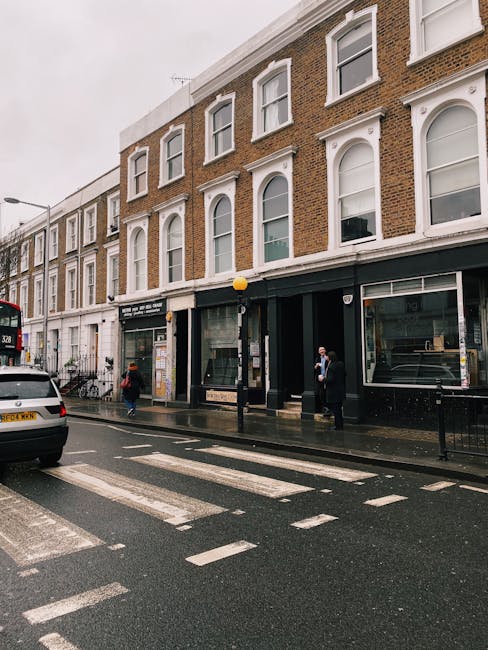
Why rubbish removal near Kensington High Street W8 matters
Kensington High Street is a polished, high-footfall part of west London, which means waste stands out. A stack of black bags, an old wardrobe by the kerb, or a pile of renovation rubble does not stay unnoticed for long. It affects kerb appeal, creates friction with neighbours, and in many cases makes day-to-day access harder than it should be. That matters for homeowners, tenants, landlords, and businesses alike.
There is also a practical layer. Local streets can be awkward for loading, timed access matters, and not every type of waste can simply be left out for routine collection. If you are trying to clear rubbish yourself, you may have to think about vehicle access, carry distance, sorting different waste types, and where each load goes. For many people, the real issue is not the rubbish itself but the time it steals.
That is why many residents and property managers prefer a structured service such as rubbish collection in Kensington or broader waste removal in Kensington. You get a clearer process, less lifting, and someone else handles the disposal trail. To be fair, that peace of mind often ends up being the biggest benefit.
How rubbish removal near Kensington High Street W8 works
Most rubbish removal jobs follow a similar pattern. You describe what needs to go, the provider estimates the volume or checks it in person, then a team arrives, loads the waste, and takes it away for sorting, reuse, recycling, or disposal. It sounds straightforward, and usually it is. But the details matter.
In Kensington, the first step is often an access conversation. Is there lift access? Is parking restricted? Do you need a timed arrival because of building rules or loading limits? These things can change the whole shape of the job. A quick flat clearance in a block near the High Street is very different from a ground-floor mews property with a narrow rear lane. Same postcode, different story.
Different waste types may be handled in different ways. General household rubbish is not the same as builders' spoil, old appliances, or office furniture. If you need a more tailored service, it may make sense to look at specific pages such as domestic waste collection, builders' waste disposal, or office clearance in Kensington. Matching the service to the waste usually saves time and avoids confusion.
Many reputable operators also separate reusable items from genuine waste where possible. That can include furniture, working appliances, or fixtures that still have life left in them. If you are clearing out after a refurbishment, the difference between a skip-like load and a sorted load can be surprisingly meaningful. More on that below.
Key benefits and practical advantages
The main benefit is obvious: rubbish disappears. But the real advantages run deeper than that.
- Less disruption: no need to hire a vehicle, make repeated trips, or spend the weekend loading heavy bits into the car.
- Better use of time: especially useful if you are juggling work, family, tenants, or contractors.
- Safer lifting: bulky items like mattresses, wardrobes, broken shelving, and white goods can be awkward and risky to move alone.
- Cleaner finish: useful before handovers, viewings, end-of-tenancy inspections, or a property sale.
- More responsible disposal: a proper service should route waste through appropriate channels rather than dumping it somewhere questionable.
There is a quieter benefit too: mental relief. A lot of people do not realise how much visual clutter drains attention until it is gone. A room full of "stuff" can feel like a problem that keeps humming in the background. Once cleared, the space feels usable again. Fresh air, clear floorboards, and a proper path from one end of the room to the other. Simple, but powerful.
If sustainability matters to you, it is worth looking at a provider's approach to reuse and recycling. You can also read more on recycling and sustainability to see how responsible waste handling fits into the wider picture. That perspective is useful, especially if you are clearing a property with a mix of salvageable and non-salvageable items.
Who this is for and when it makes sense
Rubbish removal near Kensington High Street W8 is not just for major clear-outs. In practice, it suits a wide range of people and situations.
- Homeowners who are decluttering, renovating, or preparing a sale.
- Tenants who need to clear accumulated items before moving out.
- Landlords and agents managing end-of-tenancy waste or abandoned furniture.
- Businesses replacing office furniture or clearing storage spaces.
- Builders and tradespeople with leftover materials, packaging, or demolition debris.
- People handling bereavement or family moves who need a careful, respectful clearance.
It also makes sense when a job is too awkward for standard council-style collection. For example, if you have a broken sofa that will not fit through a tight stairwell, a loft full of mixed items, or a pile of renovation offcuts after a kitchen refit, a dedicated service is often the cleaner option. And yes, that includes those "we'll deal with it later" piles that somehow grow legs.
For larger clearances, you may find it helpful to look at focused services like house clearance in Kensington, loft clearance, or furniture disposal. The point is not to overcomplicate things, but to pick the right tool for the job.
Step-by-step guidance
If you want the process to go smoothly, a little prep goes a long way. Here is a practical way to approach it.
- Identify the waste type. Separate household rubbish, furniture, appliances, garden waste, and builders' waste if you can. It helps the quote and the collection plan.
- Estimate the volume. A few bin bags is very different from half a room of bulky items. Taking a few photos is usually enough for a first assessment.
- Check access. Note stairs, lift size, parking restrictions, entry codes, or loading limitations near Kensington High Street.
- Confirm what can be taken. Some items may need special handling, such as fridges, freezers, or certain hazardous materials.
- Ask about reuse and recycling. Good providers will explain what happens after collection, not just what happens at the kerb.
- Book a time that suits the property. In busy streets, a narrow collection window can make all the difference.
- Clear a path. Move small obstacles, detach items if safe, and make loading easier for everyone involved.
One small tip many people overlook: group items by room. It sounds basic, but it makes collection day much smoother. A sofa in one corner, broken shelves in another, and random bags everywhere can slow things down. A tidy staging area is underrated. Honestly, it saves arguments with yourself and the collection team.
If you are also replacing household items, it may be worth checking white goods and appliance disposal in Kensington so you can handle fridges, washing machines, ovens, and similar items properly.
Expert tips for better results
A few habits make local rubbish removal much more efficient, especially in a central London setting.
- Sort before the crew arrives. Even a basic separation into bags, furniture, and hard waste helps.
- Be honest about awkward items. Oversized mirrors, broken wardrobes, and heavy appliances change the job.
- Take a "before" photo. Useful for your own records and surprisingly handy if you are managing a tenancy or refurbishment.
- Plan for parking and access. Kensington streets can be busy; the cleaner the access plan, the better.
- Ask what happens to reusable items. Some can be diverted from disposal, and that is usually the better outcome.
A very practical extra: if the waste includes old timber, bricks, plasterboard, or packaging from a refurbishment, ask about specialist handling rather than lumping everything together. Mixed loads can be managed, but not always efficiently. That distinction matters more than most people think.
For people in the middle of renovation work, this is where a bit of forward planning pays off. If you are curious about making more of old materials, the guide on repurposing old building supplies into new uses is a useful companion read. Not every leftover item needs to become waste, truth be told.

Common mistakes to avoid
Most rubbish removal headaches come from a handful of predictable mistakes. The good news? They are easy to avoid once you know them.
- Underestimating volume: a pile that looks "small enough" in a hallway can fill a van fast.
- Mixing restricted items with general waste: certain items need special handling, so do not assume everything goes in together.
- Forgetting access issues: a collection crew cannot magic a large wardrobe through a staircase that barely turns. Well, not usually.
- Choosing solely on price: the cheapest quote is not always the best value if disposal, timing, or compliance is weak.
- Leaving sorting too late: rushed prep on collection day often leads to delays or surprise charges.
Another common problem is assuming that all services are the same. They are not. Some providers are better suited to domestic clearances, others to commercial work, and others to builders' debris. Matching the job to the provider saves grief. Simple as that.
Tools, resources and recommendations
You do not need much to organise rubbish removal well, but a few simple tools help.
- Phone camera: take clear pictures of the waste from more than one angle.
- Basic tape measure: useful for large furniture, appliances, and awkward items.
- Marker or labels: handy if you are separating keep, donate, and remove piles.
- Gloves and sturdy footwear: especially for lofts, basements, and garden clearances.
- Bin bags and boxes: good for loose rubbish, packaging, and smaller items.
For service planning, a few website pages can help you understand the wider picture. If you want an overview of what is available, start with the services overview. If you want to understand the commercial side, pricing and quotes is the natural next stop. And if you want to know more about the team and how they work, about us is worth a look.
For waste streams beyond standard household rubbish, these pages are also useful: furniture removal, garden waste removal, and commercial waste removal. Different waste, different plan.
Law, compliance, standards and best practice
Waste handling in the UK comes with responsibilities, and even a simple domestic clearance should be approached carefully. You do not need to be an expert in legislation to make a smart choice, but you should expect any reputable service to operate responsibly and transparently.
One of the most important checks is whether the company can demonstrate appropriate waste carrier compliance. If a provider is collecting your rubbish for disposal, they should be able to show they are authorised to do so. That is not just paperwork for the sake of it. It helps reduce the risk of fly-tipping and other avoidable problems.
You can read more about this on the waste carrier licence and compliance page. It is a sensible read if you are comparing providers and want to understand what "proper disposal" should actually mean.
Health and safety also matter. Heavy lifting, sharp edges, broken glass, old electrics, and awkward stairwells all create risk. A careful service should work in a way that protects both the crew and the property. If you are booking a collection for a block, office, or managed building, the page on insurance and safety is useful too.
On the customer side, good best practice is straightforward:
- describe the waste accurately;
- flag anything potentially hazardous or especially heavy;
- check what is excluded before booking;
- keep records if you are managing a tenancy, business premises, or renovation.
If you are ever unsure, ask. A proper provider should answer clearly and without drama.
Options, methods, and comparison table
There are several ways to deal with rubbish near Kensington High Street W8. The best choice depends on the amount, type, urgency, and access conditions.
| Method | Best for | Pros | Things to watch |
|---|---|---|---|
| Private rubbish collection | Mixed household waste, furniture, quick clear-outs | Fast, convenient, flexible timing | Check compliance, access, and what is included |
| Specialist item disposal | Appliances, furniture, specific waste streams | Handled correctly for the item type | May require separate booking or pricing |
| Builders' waste collection | Renovation debris, rubble, offcuts | Suited to heavier, messier loads | Weight and material type affect handling |
| House or loft clearance | Large property clearances or long-overdue decluttering | Comprehensive, less stressful for big jobs | Needs good planning and access detail |
| Self-haul to recycling site | Very small loads, people with time and transport | Direct control over disposal | Time-consuming, physically demanding, vehicle needed |
For most busy residents, a managed collection is the sweet spot. Self-hauling sounds efficient until you are parking, lifting, and queueing on a Saturday morning. Nobody needs that, really.
Case study or real-world example
Imagine a flat near Kensington High Street after a long-overdue refresh. The owner has an old two-seater sofa, several broken shelves, a mattress, boxy bits from flat-pack furniture, and a few bags of general clutter from cupboards and the spare room. There is also a half-finished stack of packaging from the renovation. Nothing dangerous, but plenty awkward.
Rather than trying to do it in stages over several weekends, the owner sends photos, explains access, and books a coordinated collection. The team arrives with the right van space, carries items down carefully, and separates the reusable from the non-reusable where possible. The result is simple but noticeable: the flat is ready for cleaning, the hallway is clear, and the owner can finally focus on the decorating rather than stepping around cardboard.
What made the difference was not magic. It was planning. Clear information up front, the right service for the waste type, and a realistic view of access. That combination usually produces the smoothest outcome. This is especially true in central London where a minor delay can turn into a very annoying one, very quickly.
Practical checklist
Use this quick checklist before booking rubbish removal near Kensington High Street W8.
- List everything you want removed.
- Separate household waste, furniture, appliances, and builders' debris if possible.
- Take photos of the items and the access route.
- Check whether parking or loading restrictions apply.
- Confirm if any items need special handling.
- Ask how the provider handles recycling and reuse.
- Review pricing, timing, and what is included.
- Make sure the company can explain its compliance and disposal process.
- Clear a route to the items before the crew arrives.
- Keep any important documents or valuables out of the clearance area.
Expert summary: The best rubbish removal service is not just the one that turns up quickly. It is the one that understands local access, handles the right waste streams, disposes of everything properly, and leaves you with a space that feels usable again. That is the real job.
Conclusion
Rubbish removal near Kensington High Street W8 is about more than getting rid of clutter. It is about making a busy, valuable part of London easier to live and work in. The right service can help with time pressure, awkward access, heavy items, and disposal responsibilities without turning the whole thing into a project.
If you are comparing options, focus on clarity, compliance, and practical know-how. Match the service to the waste, ask sensible questions, and make sure the provider can explain what happens after collection. That way, you are not just clearing space, you are solving the problem properly.
And if the mess feels bigger than your energy right now, that is completely normal. A good clearance can be a relief, almost a reset. The room gets quieter, the floor is visible again, and somehow the whole place breathes a bit easier.
Get a free quote today and see how much you can save.